

2·
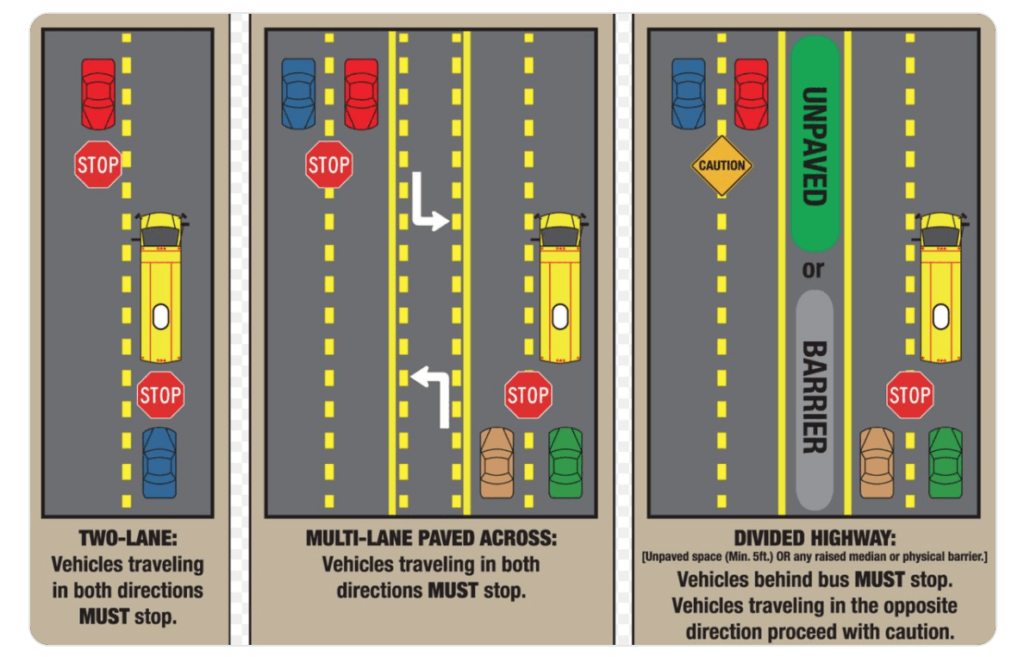
13 hours agoThe default in most other states is that opposite direction traffic on a divided highway don’t have to stop. The states differ in what constitutes a divided highway, but generally at least 5 feet of space or a physical barrier between the lanes would qualify. In Texas, however, there is no exception for divided highways, and the key definition is “controlled-access highway,” which requires on/off ramps and physical barriers between traffic directions, or “different roadways,”
So for a 5-lane road where there are 2 lanes going in each direction with a center lane for left turns, Texas requires opposite direction traffic to stop, while most other states do not.

Plenty of high demand areas use human valet parkers for this issue. The driver drops off their car at the curbside destination, and then valets take the vehicle and park it in a designated area that saves the car driver some walking.
Then, the valet parking area in dense areas has tighter parking where cars are allowed to block in others. As a result, the same amount of paved parking spot can accommodate more cars. That’s why in a lot of dense cities, garages with attendants you leave keys with are cheaper than self-park garages.
Automated parking can therefore achieve higher utilization of the actual paved parking areas, a little bit away from the actual high pedestrian areas, in the same way that human valet parking already does today in dense walkable neighborhoods.
As with the comparison to valets, it’s basically a solved problem where people already do put up with this by calling ahead and making sure the car is ready for them at the time they anticipate needing it.
Yes! And trains are very efficient. Even when cargo is containerized, where a particular shipping container may go from truck to train to ship, each individual containerized unit will want to take advantage of the scale between major hubs while still having the flexibility to make it between a specific origin and destination between the spokes. The container essentially hitches a ride with a larger, more efficient high volume transport for part of its journey, and breaks off from the pack for the portions where shared routing no longer make sense.