

Key Points
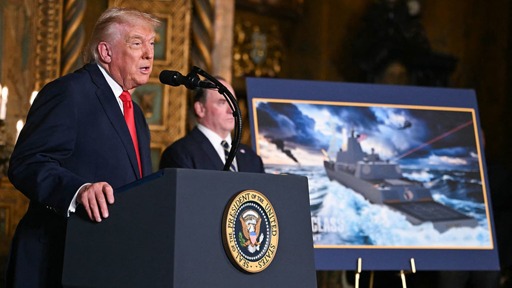
Trump’s battleship plan clashes with decades of U.S. naval strategy and technology shifts
Experts described it as a “prestige project,” a “bomb magnet” and said that “this ship will never sail.”
Even if it were technically feasible, the cost of building the battleship would be prohibitive.
In case you’re not kidding, it was a real battleship - practically useless due to it’s size and cost, it only fired it’s main guns in one engagement (and it’s only arguable that they did anything) and spent the rest of the war as a command ship or scuttling between ports attempting to hide from enemy aircraft. It was ultimately sunk on it’s way to a suicide mission by allied bombers.
I knew there was a real ship but I had no idea how useless it actually was.
Better yet, there were two ships in the class. Yamato’s sister ship, Musashi suffered a very similar fate, though.
Even better still, the IJN had plans drawn up for a Super-Yamato class, but the war ended before it could be built.
It’s ironic that the Japanese had successfully proved the effectiveness of aircraft carriers in the opening of the war with the surprise bombing of Pearl Harbor, but failed to carry that through to the end and instead hid behind the old way of having the thickest armor and largest guns.
The Japanese attempt to win the war against the USA failed on day one. They gambled everything on sinking the bulk of the U.S. carrier fleet which, to the Japanese’s great dismay, was not even in Pearl Harbor on Dec 7, 1941. When Admiral Yamamoto Isoroku heard of this, he said “we have awoken a sleeping giant.”
If they had taken out the U.S. carriers that day, the Kido Butai would have been the dominant naval force in the Asia-Pacific region. With their powerful carriers, nobody could have stood up to them. And maybe the IJN’s super battleships would have had their day in the sun, after all.